Upcoming Season
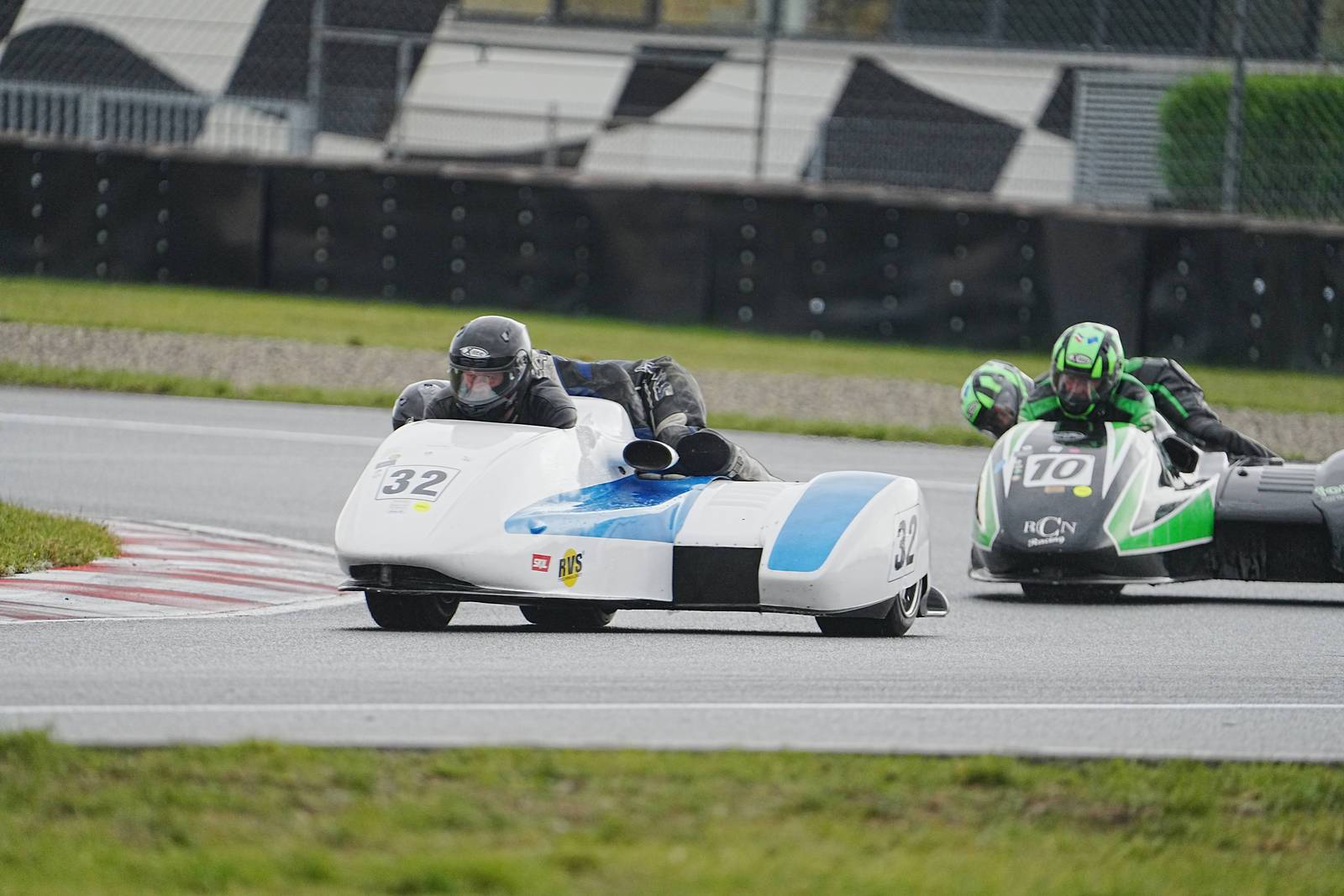
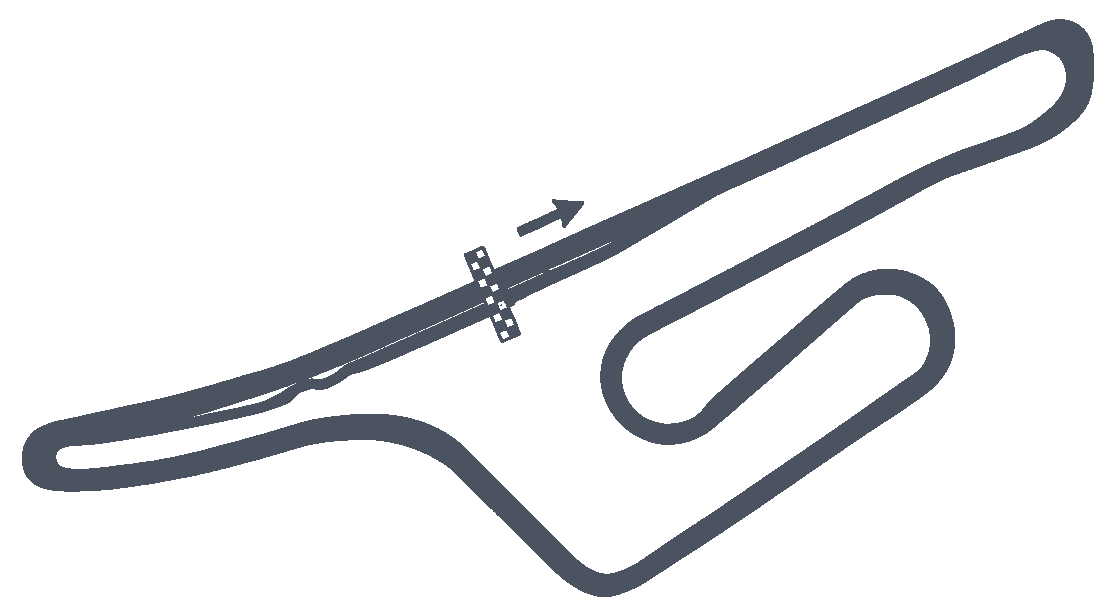
This season our sidecar racing team is competing in the Northern Sidecar Cup events. Each event offers a unique challenge combining technical skill, speed and teamwork. Here is an overview of the upcoming season's races:

17.4.2026
Croix-en-Ternois, France
17.4.2026
Croix-en-Ternois, France

2.5.2026
Hengelo, Netherlands
2.5.2026
Hengelo, Netherlands

23.5.2026
Nürburgring, Germany
23.5.2026
Nürburgring, Germany

25.7.2026
Chimay, Belgium
25.7.2026
Chimay, Belgium
7.8.2026
Mettet, Belgium
7.8.2026
Mettet, Belgium
2.10.2026
Oschersleben, Germany
2.10.2026
Oschersleben, Germany


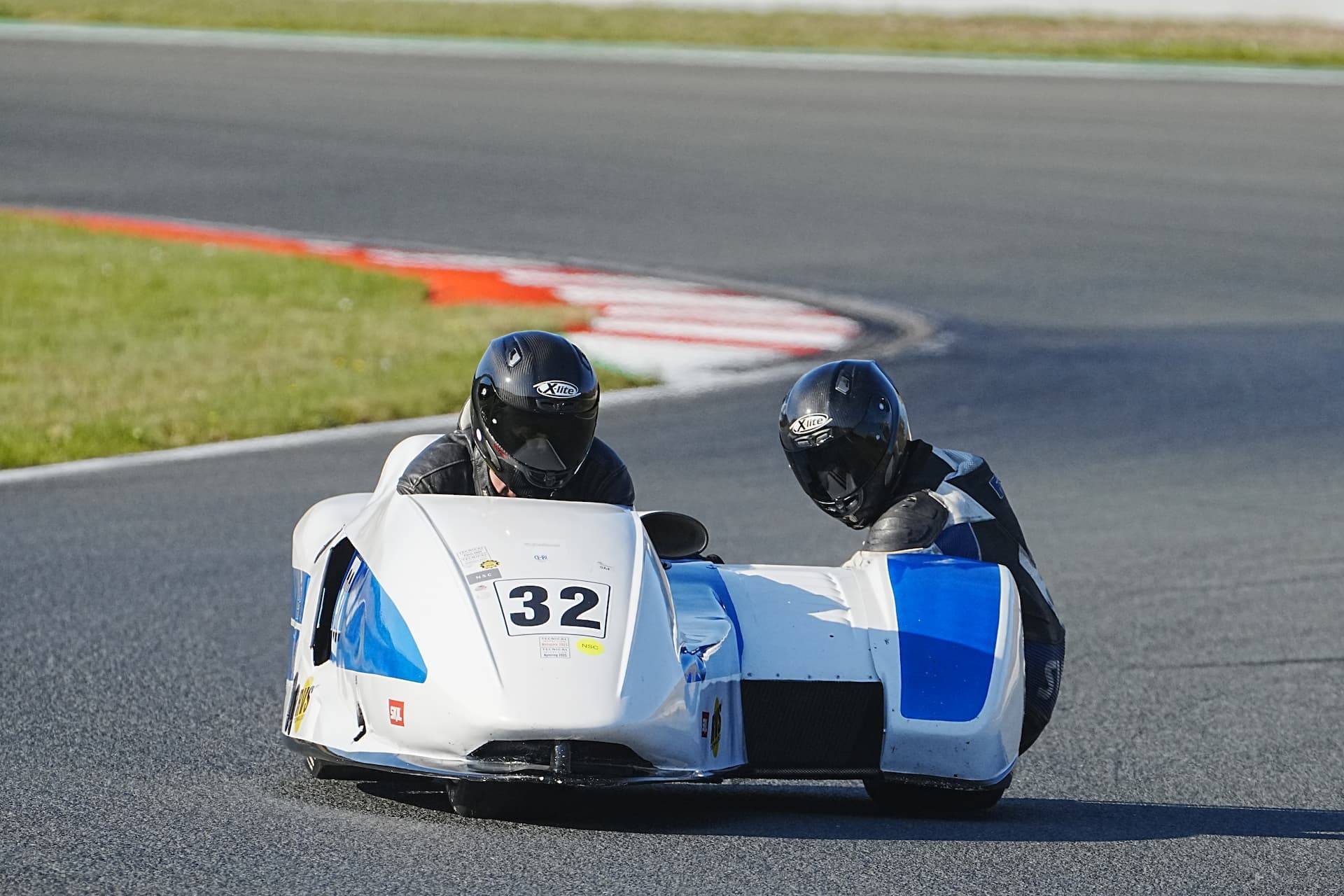
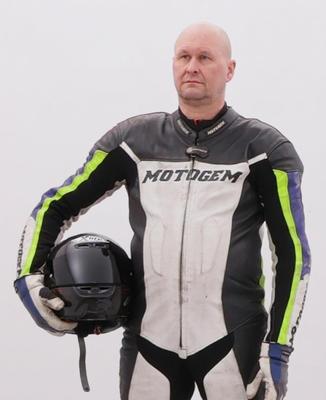
Driver
Petri Virtanen
- Age: 52
- Hometown: Naantali
History in motorsport
I started motocross at the age of 12. The motocross bike demands so much fitness that it was not possible to maintain, but riding still fascinated me, so in 2000 I moved into road racing (now called circuit racing). My first race was in 2003 on a 600 cc solo bike. In 2011 I moved up to the 1000cc class.
How did you end up in sidecar motorcycle racing?
New disciplines interest me and the sidecar is technically far more challenging than solo riding. Artiola is to blame.
Do you remember your first experience riding a sidecar? What was it like?
We went for a ride in autumn 2015. The most difficult machine I have ever driven.
What surprised you most about the sport at first?
How close-knit the whole sidecar community is.
What has been your most memorable moment on track so far?
The best race so far with Julius when we were competing against Makkula and swapped positions several times during the same race.
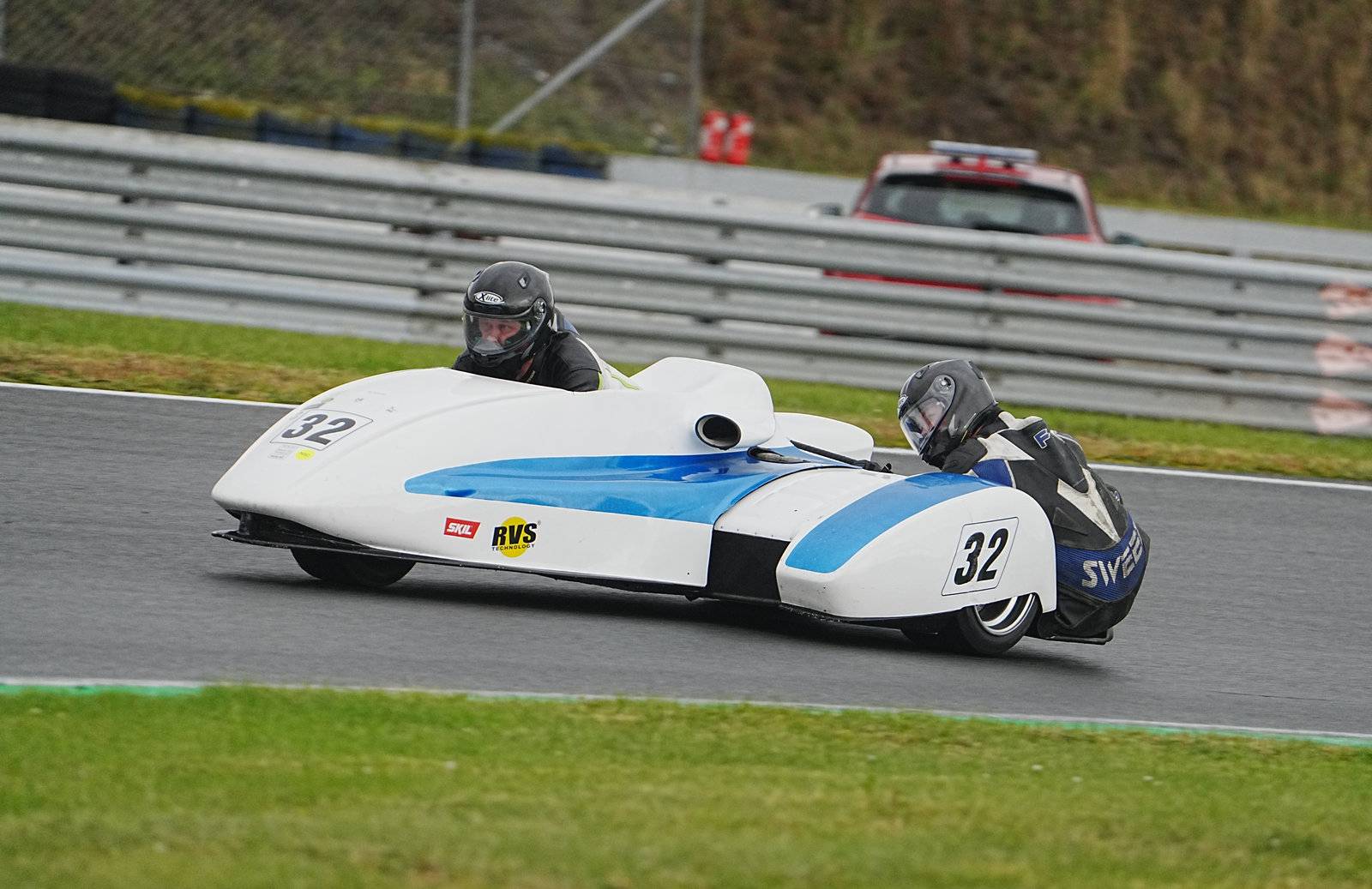
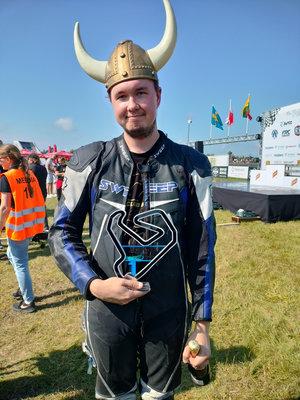
Co-pilot
Julius Virtanen
- Age: 27
- Hometown: Turku
History in motorsport
As a primary school kid I tried motocross. If I recall correctly, I did that for a couple of years.
How did you end up in sidecar motorcycle racing?
I was asked many times to hop on, so I decided to give it a try and got hooked on the sport.
Do you remember your first experience on a sidecar? What was it like?
At Alastaro, I think in autumn 2024. It was fun.
What surprised you most about the sport at first?
The costs.
What has been your most memorable moment on track so far?
The first race at Jurva, Botniaring.
jesariratkasu:Daaaa aa aa aa aa aa aa aa aa aa aa aa aa aa aa aa aa aa aa aa aa aa aa aa aa aa aa aa aa aa aa
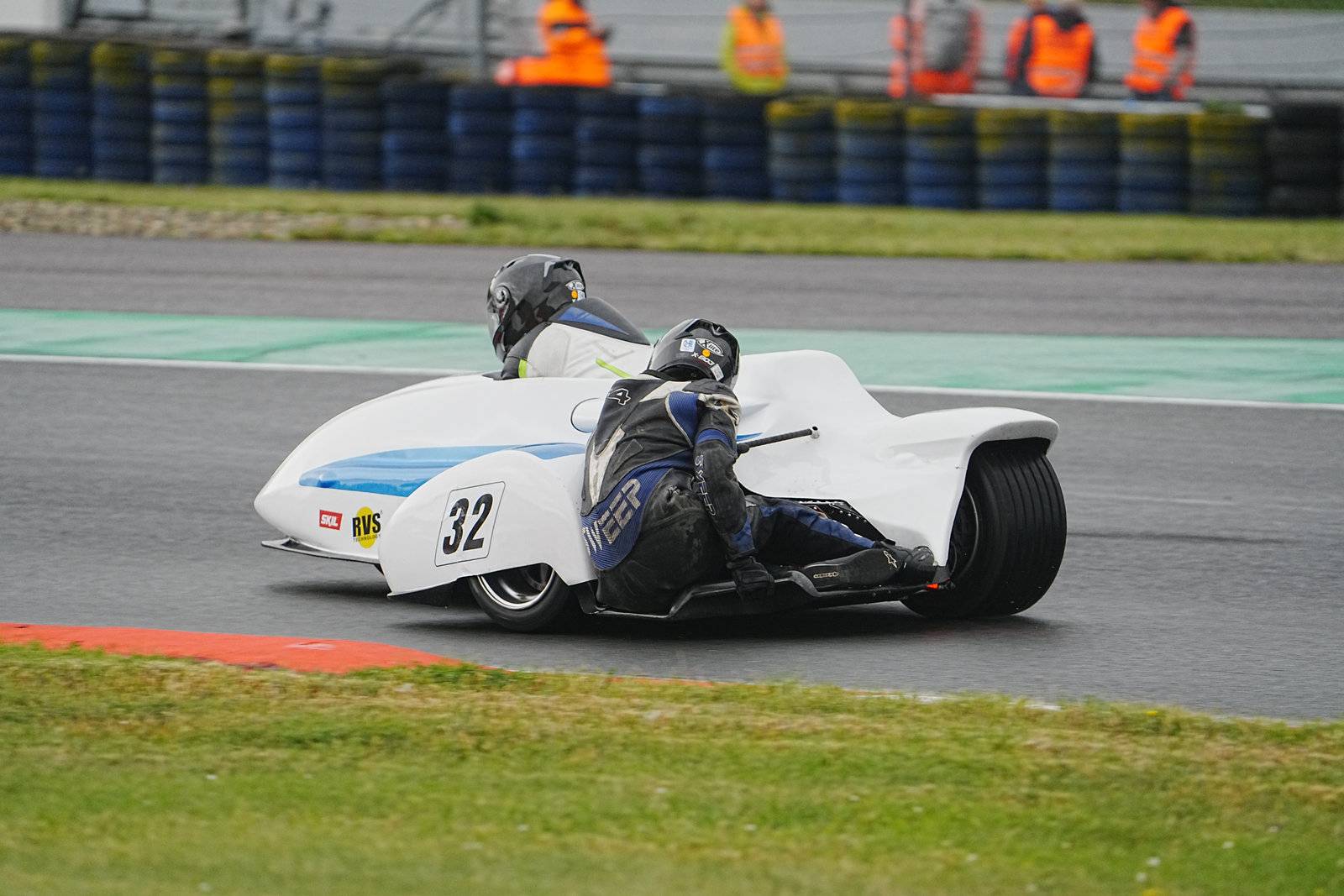
Racing Sidecar Motorcycle
Racing Sidecar Motorcycle
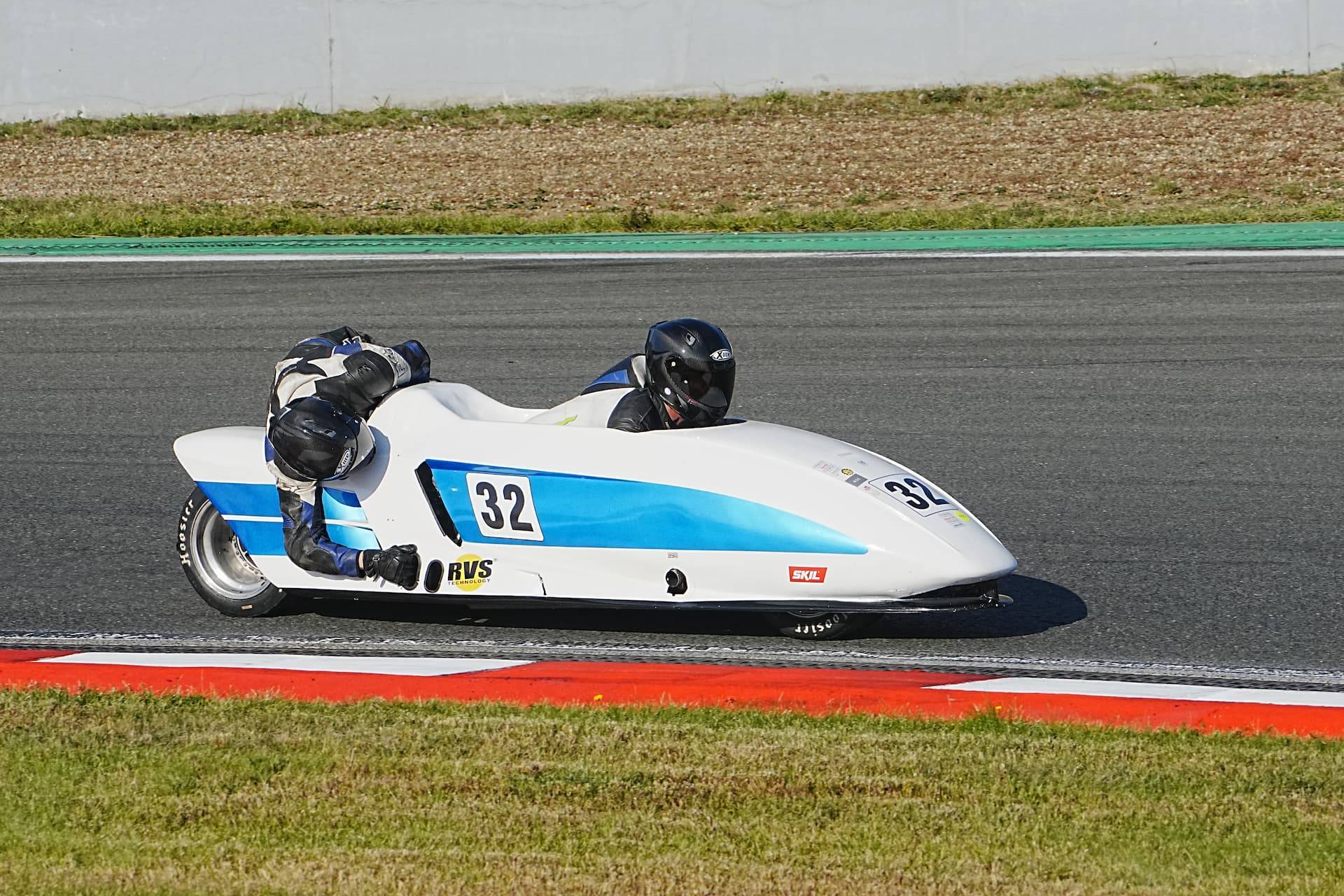
A racing sidecar motorcycle is completely different from an ordinary sidecar. It is low, wide and built for maximum cornering speed. For example, the machines raced in the FIM Sidecar World Championship are essentially prototypes, where the driver and passenger form a seamless team.
Unlike an ordinary motorcycle, a racing sidecar does not lean naturally in a corner. All stability comes from:
- Steering geometry
- Tyre grip
- And above all the passenger's active body movement
G-Forces in Racing
In circuit use, significant g-forces are experienced in a sidecar:
- Lateral acceleration in corners: up to ~1.8 g
- Braking: approximately 1.5 g
- Acceleration: up to ~0.8 g
This means the passenger's body "weighs" up to twice its normal weight in a corner. An 80 kg passenger can exert a force of over 150 kg on the chassis under lateral load.
Their job is not just to stay on board — but to use these forces to advantage.
Left Corner
- Lateral g-force tends to lift the sidecar wheel off the ground.
- Passenger shifts weight to the left, if necessary hanging out over the sidecar.
- Hands grip the frame or handles, feet brace against the chassis.
If the movement is late or too small, the sidecar lightens → grip decreases → the combination can tip over.
At racing speeds reaction times are measured in tenths of a second.
Right Corner
When turning right, the dynamics change:
- G-force pushes the passenger to the left and weight transfers to the sidecar wheel.
- The sidecar wheel has no suspension or steering; the passenger does everything to get grip on the right-side tyres.
- Rear tyre grip is critical.
- Passenger moves onto the cover. Moves body forward/backward depending on the situation.
Goal:
- Maximise traction on corner exit
- Prevent the inner wheel from lightening
- Stabilise the rear at the grip limit
In racing machines, fine-tuning rear tyre load can decide tenths of a second.
Braking: Forward G-Force
During heavy braking:
- Approximately 1 g forward
- Passenger moves to the front section
- Centre of gravity moves down and forward
This increases front tyre grip and reduces rear lightening.
If the passenger stays too far back, the combination can become unstable under braking.
Acceleration: Traction Optimisation
During acceleration:
- Weight shifts to the rear
- Passenger may move over the rear wheel
- Goal is to maximise the load on the driving tyre
In racing sidecars, exit speed is often more important than entry speed, so the passenger's timing is decisive.
Biomechanics and Physical Load
The passenger's work is physically extremely demanding:
- Continuous explosive movements
- Static tension against g-load
- Heart rate can reach 160–190 bpm during a race
- Upper body, core and leg strength are decisive
They effectively "climb" over the bike in every corner.
Teamwork in Split Seconds
In a racing sidecar there is no passenger — there is a second driver.
Driver:
- Steers
- Controls the throttle
- Operates the brakes
Passenger:
- Adjusts the centre of gravity in real time
- Controls lateral and longitudinal g-forces
- Stabilises the vehicle at the grip limit
Their movements are rehearsed in advance and almost reflexive.
Summary
In a racing sidecar the passenger's positions:
- Resist ~1.8 g lateral forces
- Determine tyre loading
- Prevent the sidecar from lifting
- Enable higher cornering speeds
Without the passenger's precise, aggressive and timely movement, a racing sidecar would not be drivable at racing speeds.
They are not a passenger — they are an essential part of the vehicle's dynamic balance system.